What Makes High-Security Lock Installation Different From a Standard Upgrade
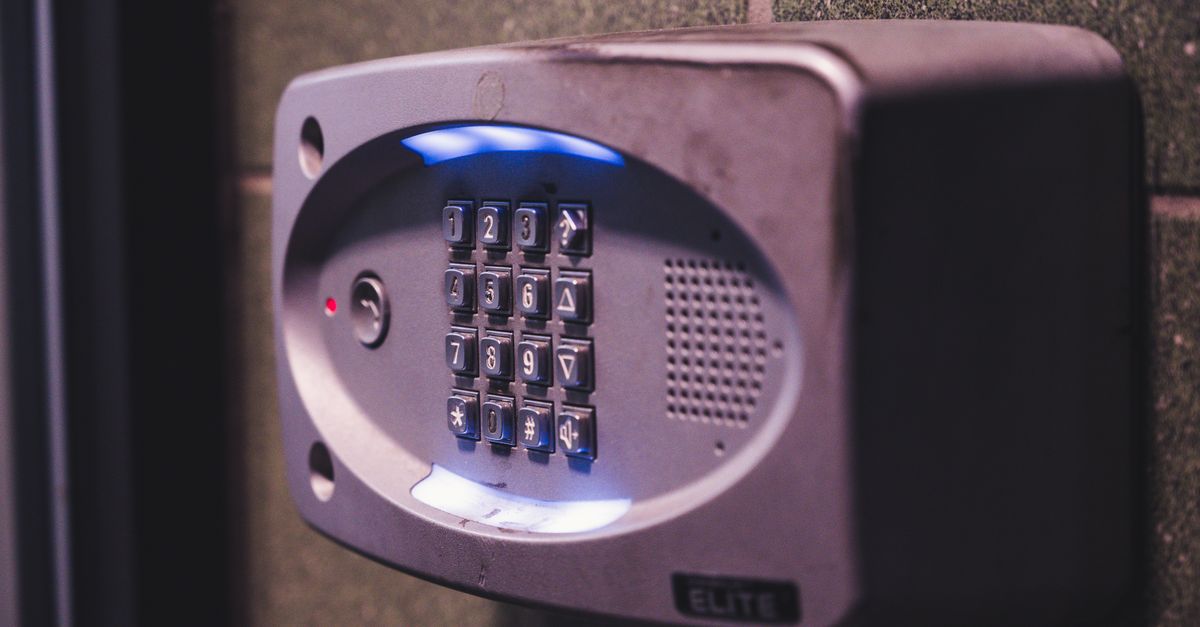
Not every lock installation is created equal. A standard deadbolt lock installation involves swapping one cylinder for another — useful, but limited. True high-security installation means selecting hardware with specific anti-pick, anti-drill, and anti-bump engineering, then fitting it precisely to your door so the physical installation itself does not create new vulnerabilities. The locks we work with most frequently in commercial settings — including Grade 1 mortise locks, restricted-keyway cylinders from manufacturers like Medeco and Mul-T-Lock, and electronic access platforms — require careful alignment, proper backset measurement, and in many cases, a reinforced strike plate and door-edge preparation that builder-grade installation skips entirely.
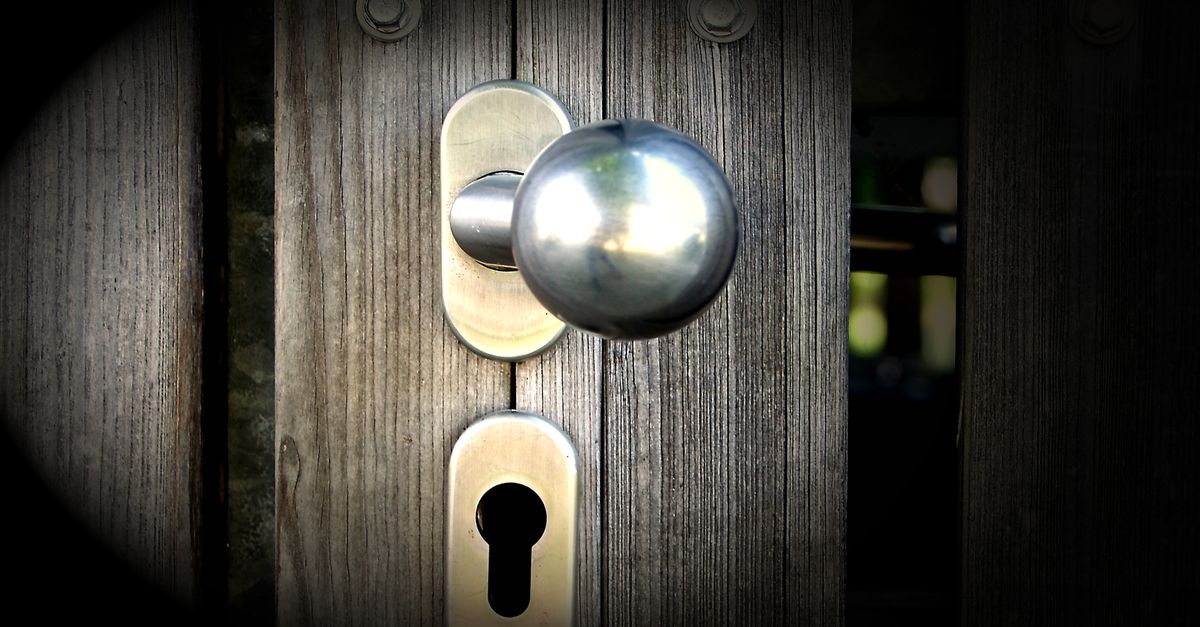
A mortise lock, in particular, is the backbone of serious commercial lock installation. Unlike a cylindrical lock that sits in a simple bore hole, a mortise lock fits into a precisely cut pocket inside the door edge, integrating the latch, deadbolt, and cylinder into one robust unit. Properly installed, a mortise lock distributes kick-in force across a much larger surface area and resists the prying attacks that cheaper hardware fails against. Our technicians handle mortise lock fitting on wood, steel, and aluminum doors — a common challenge for the mix of older Victorian-era commercial buildings and newer construction found throughout Chatham Township.